
Modern entertainment systems have evolved dramatically, yet many vehicle owners and audio enthusiasts still struggle to bridge the gap between their digital devices and older audio systems. An FM transmitter serves as the perfect solution for this connectivity challenge, transforming your car stereo or home radio into a wireless gateway for streaming music, podcasts, and calls from smartphones, tablets, and other Bluetooth-enabled devices. This innovative technology eliminates the need for expensive stereo upgrades while providing seamless audio streaming capabilities that enhance your overall listening experience.
An FM transmitter operates by converting audio signals from your digital devices into radio frequency waves that can be received by any standard FM radio. This wireless transmission technology utilizes unused FM frequencies within your local area, typically ranging from 88.1 to 107.9 MHz, to broadcast audio content directly to your car stereo or home radio system. The device essentially creates a mini radio station that only transmits within a limited range, usually covering a few meters around the transmitter itself.
The broadcasting process involves several key components working in harmony to deliver clear, high-quality audio. Digital audio signals from your smartphone or tablet are first processed through advanced audio codecs, then modulated onto the selected FM frequency. Modern FM transmitter units incorporate noise reduction algorithms and automatic frequency adjustment features that optimize signal clarity and minimize interference from existing radio stations in your area.
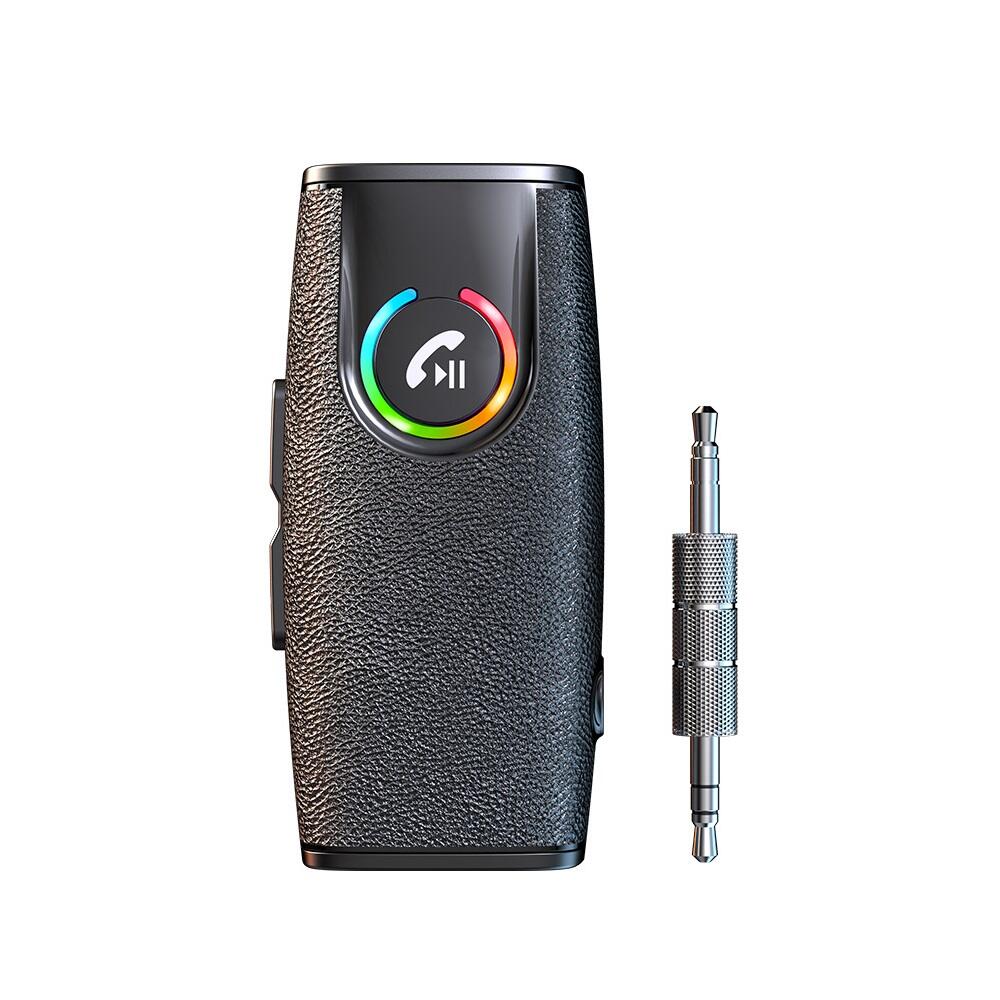
Contemporary FM transmitter devices leverage Bluetooth technology to establish wireless connections with smartphones, tablets, laptops, and other compatible audio sources. This Bluetooth integration supports various audio profiles including A2DP for high-quality stereo audio streaming and HFP for hands-free calling functionality. The wireless range typically extends up to 33 feet, providing users with flexibility to move around while maintaining stable audio connectivity.
Device compatibility extends across multiple platforms including iOS, Android, Windows, and various smart TV systems. Advanced FM transmitter models feature automatic pairing capabilities that remember previously connected devices, streamlining the user experience for daily commuters and frequent travelers. The universal compatibility ensures that regardless of your device ecosystem, the FM transmitter can seamlessly integrate into your existing entertainment setup without requiring additional software or complicated configuration processes.
Integrating an FM transmitter into your vehicle audio system transforms older car stereos into modern, connected entertainment hubs without requiring expensive hardware modifications. This cost-effective solution allows drivers to stream their personalized playlists, podcasts, and audiobooks through existing speakers while maintaining the original dashboard aesthetics and functionality. The installation process typically involves plugging the device into your vehicle's power outlet and selecting an unused FM frequency on your radio.
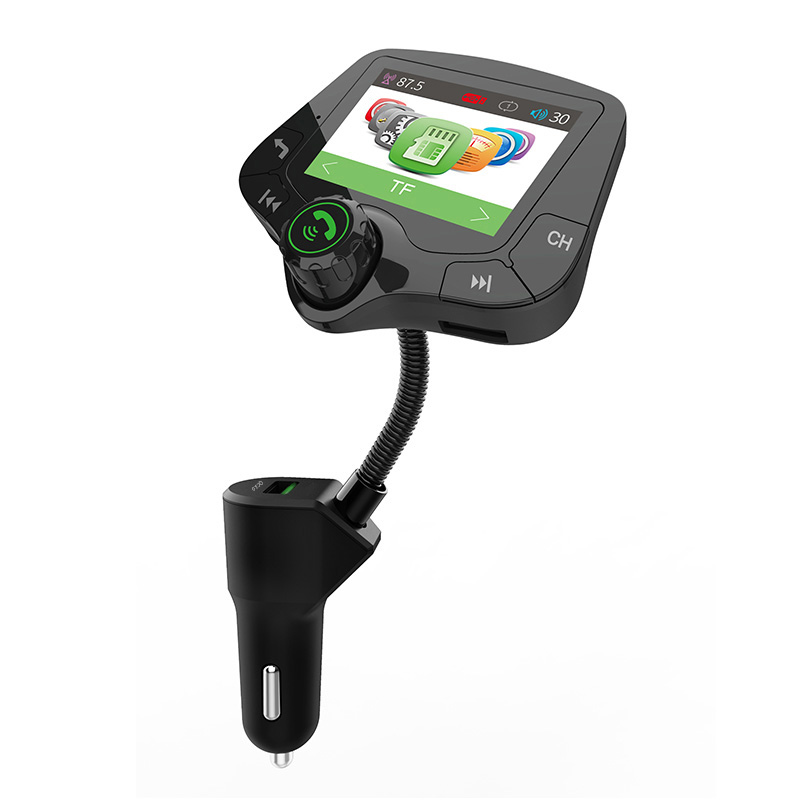
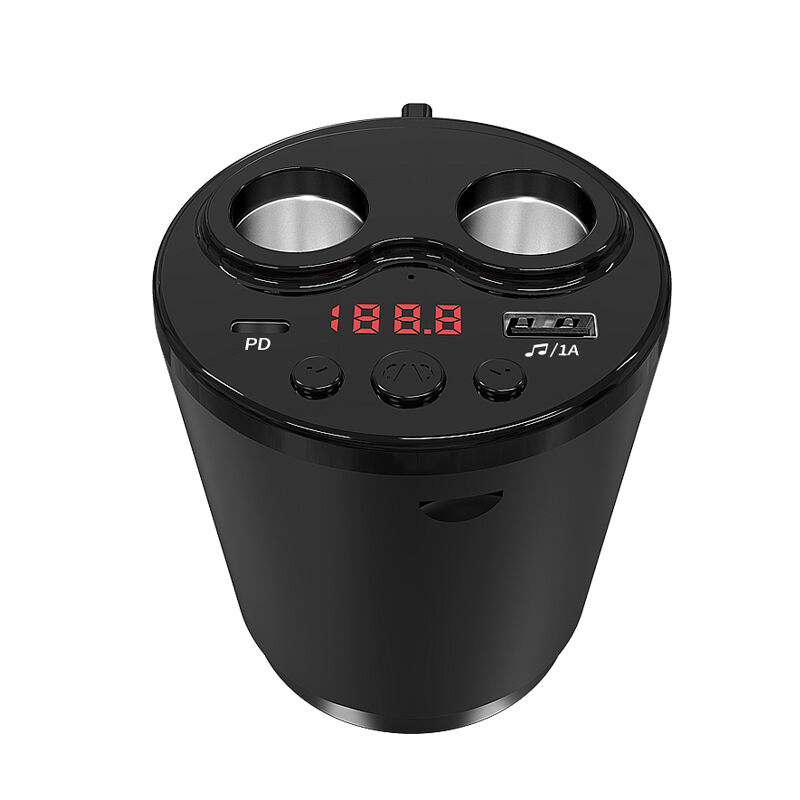
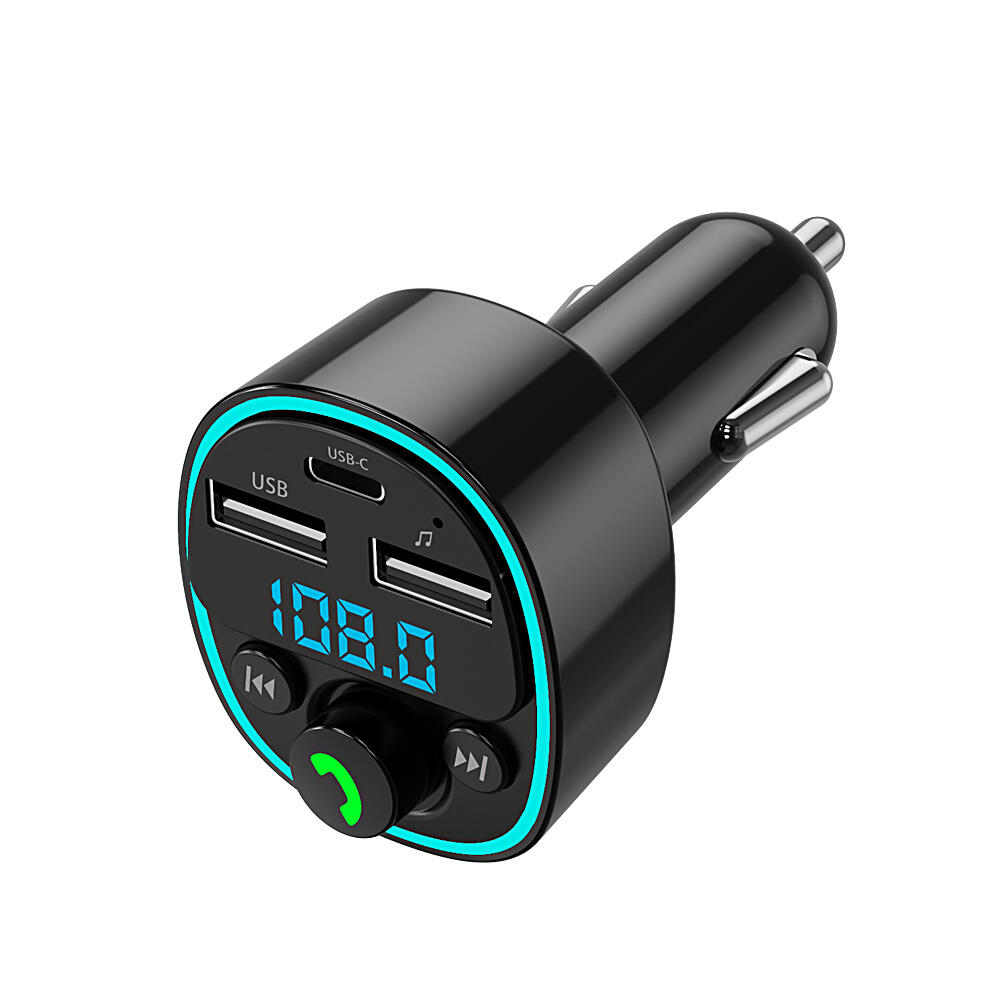
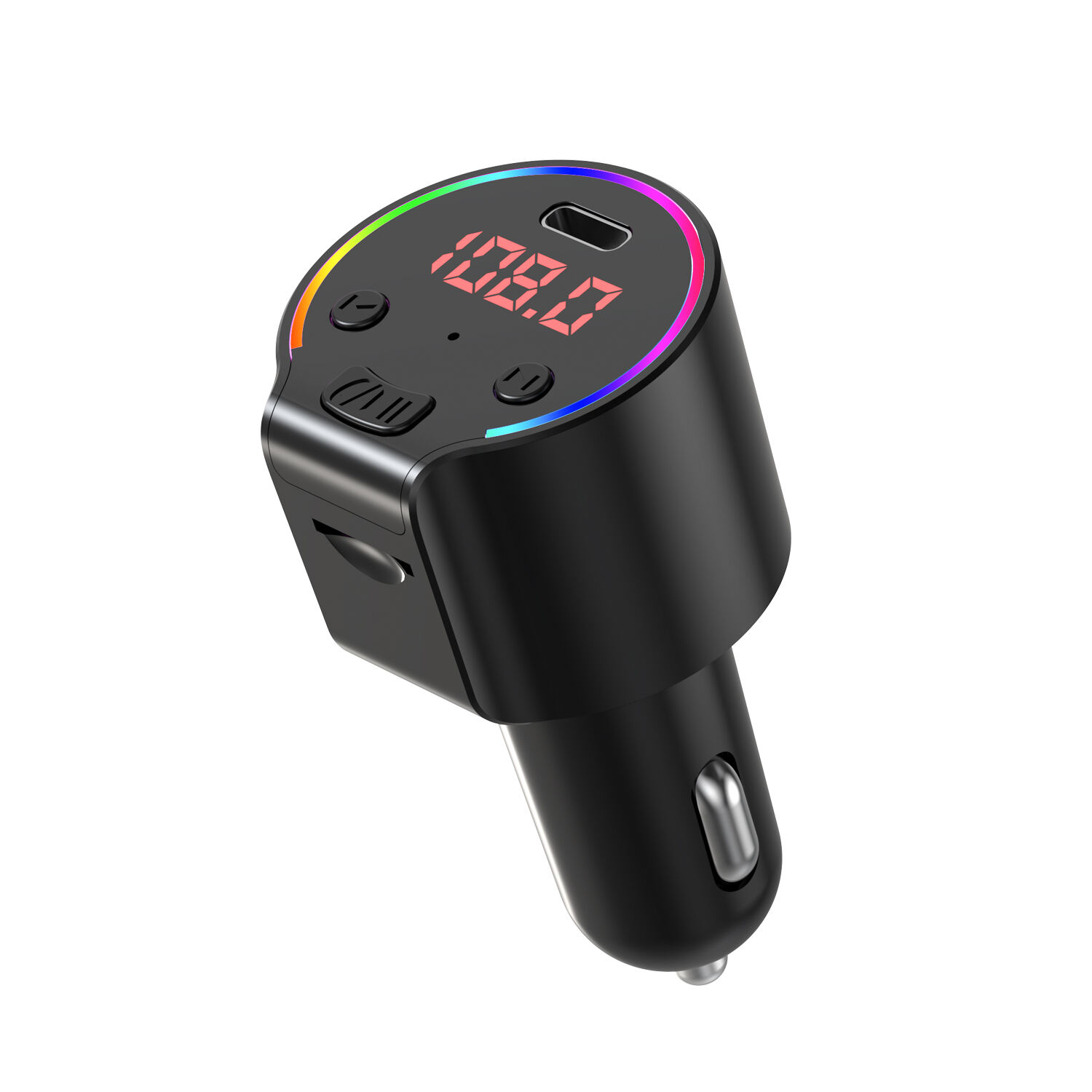
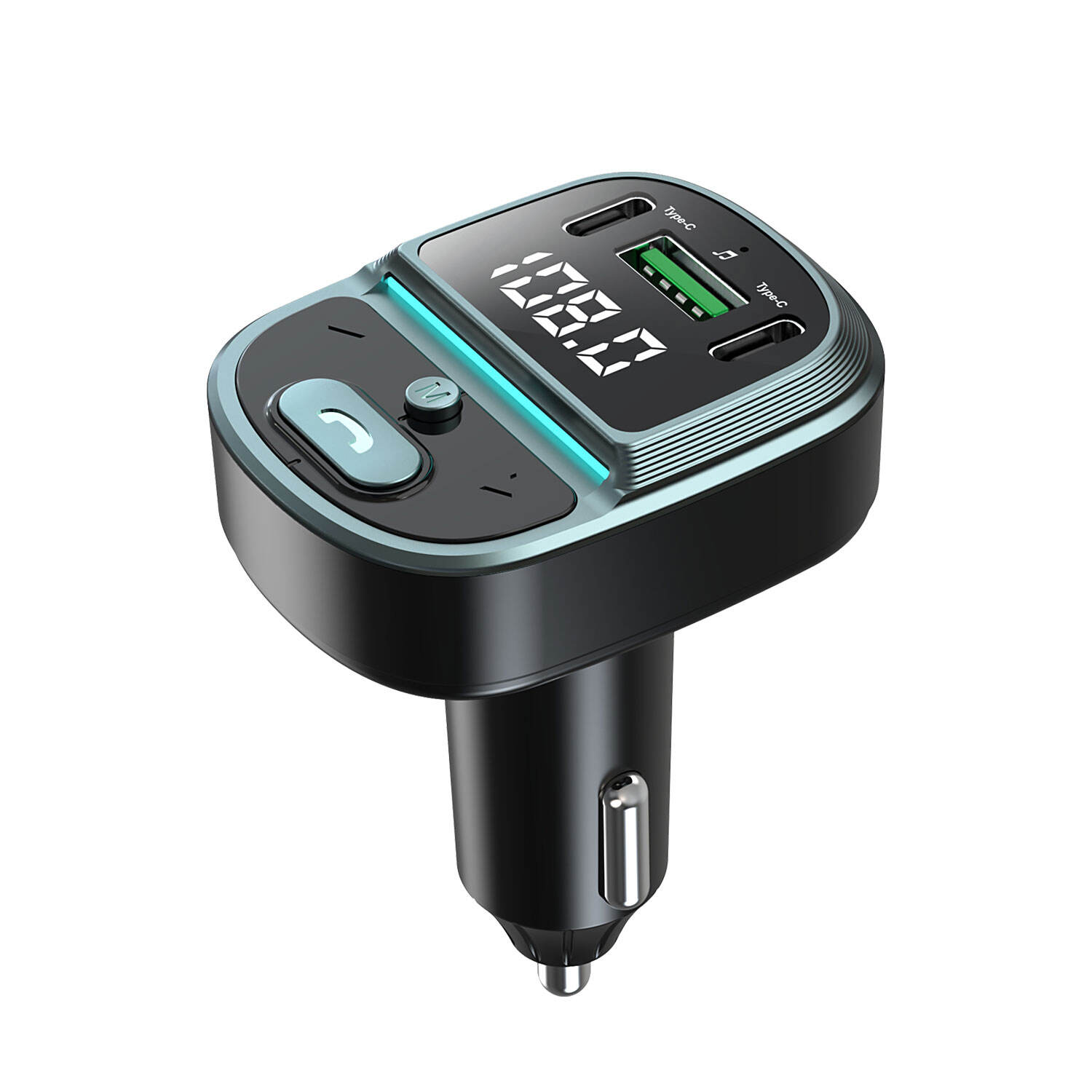
Advanced automotive FM transmitter models often include additional features such as USB charging ports, LED displays showing track information, and dedicated controls for volume, track skipping, and call management. These multifunctional devices serve dual purposes as both audio transmitters and vehicle charging stations, reducing dashboard clutter while maximizing utility. The charging capabilities often support quick charge protocols like QC 3.0, ensuring your devices remain powered during long journeys.
Modern FM transmitter units prioritize driver safety through hands-free calling features and voice control integration. When incoming calls are received, the device automatically pauses music playback and routes the call audio through your vehicle's speakers, allowing for clear conversation without compromising driving attention. Built-in microphones with noise cancellation technology ensure your voice is clearly transmitted to the caller while filtering out road noise and engine sounds.
Voice control compatibility with Siri, Google Assistant, and other virtual assistants enables drivers to manage music playback, make calls, and access navigation instructions without taking their hands off the steering wheel. Emergency features in premium FM transmitter models include automatic call answering, speed dialing for emergency contacts, and GPS location sharing capabilities that enhance overall driving safety and peace of mind for both drivers and their families.
Home users can leverage FM transmitter technology to create wireless multi-room audio systems that distribute music throughout their living spaces without running cables or installing expensive whole-house audio systems. By positioning the FM transmitter centrally and tuning various radios throughout the home to the same frequency, users can achieve synchronized audio playback in kitchens, bedrooms, workshops, and outdoor areas.
This approach proves particularly valuable for older homes where installing wired audio systems would be costly or architecturally challenging. The FM transmitter solution allows homeowners to repurpose existing radios, boom boxes, and vintage audio equipment, creating a cohesive entertainment experience that blends modern streaming capabilities with classic audio aesthetics. Range extenders and signal boosters can enhance coverage for larger homes or properties with challenging layouts.
Advanced FM transmitter devices integrate seamlessly with smart home ecosystems through Wi-Fi connectivity and compatibility with home automation platforms like Amazon Alexa, Google Home, and Apple HomeKit. This integration enables users to control audio playback through voice commands, smartphone apps, and automated routines that trigger specific playlists based on time of day, occupancy sensors, or other environmental factors.
Smart scheduling features allow the FM transmitter to automatically power on and begin streaming morning news, evening relaxation music, or workout playlists according to predefined routines. Energy management capabilities include sleep timers, automatic standby modes, and power consumption monitoring that helps optimize electricity usage while maintaining convenient access to entertainment content throughout the home.
Achieving optimal audio quality with an FM transmitter requires understanding local radio frequency environments and selecting appropriate broadcast frequencies that minimize interference from commercial radio stations. High-quality FM transmitter units include automatic frequency scanning features that identify the clearest available channels in your specific location, ensuring maximum signal strength and minimal static or distortion during playback.
Advanced signal processing technologies in premium FM transmitter models include digital signal processing, automatic gain control, and adaptive frequency response adjustments that optimize audio quality across different music genres and content types. These features work together to maintain consistent volume levels, enhance bass response, and preserve high-frequency detail that might otherwise be lost during the transmission process.
Transmission range varies significantly based on the FM transmitter's power output, antenna design, and environmental factors such as building materials, terrain, and electrical interference sources. Professional-grade units typically offer adjustable power levels that allow users to optimize coverage area while complying with local broadcasting regulations and minimizing potential interference with licensed radio stations.
Battery life optimization features in portable FM transmitter models include intelligent power management algorithms that automatically adjust transmission power based on distance to receiving devices, sleep modes that activate during periods of inactivity, and low-power alerts that provide advance warning before battery depletion. These power management capabilities ensure reliable performance during extended use while maximizing operational efficiency.
Proper frequency selection represents a critical aspect of FM transmitter installation that directly impacts audio quality and legal compliance. Users should conduct thorough frequency scans using their radio receivers to identify unused or weakly occupied channels within the 88.1 to 107.9 MHz range. This process should be performed at different times of day and week, as radio station programming schedules and atmospheric conditions can affect signal propagation and interference patterns.
Local broadcasting regulations vary by country and region, with most jurisdictions allowing low-power FM transmitter operation for personal use within specific power limits and range restrictions. Understanding these regulations ensures compliant operation while avoiding potential interference with licensed broadcasters or emergency services communications. Some areas designate specific frequency ranges for personal FM transmitter use, simplifying the selection process for end users.
Strategic positioning of your FM transmitter maximizes signal coverage and quality while minimizing interference issues that could degrade audio performance. In vehicles, mounting the transmitter away from other electronic devices and metal surfaces reduces the likelihood of signal reflection and electromagnetic interference. Central dashboard locations typically provide optimal coverage for front and rear seat areas while maintaining easy access to controls and displays.
Home installation considerations include proximity to Wi-Fi routers, cordless phones, and other devices operating in the 2.4 GHz frequency band that could cause interference with Bluetooth connectivity. Elevating the FM transmitter and positioning it away from large metal objects, appliances, and structural elements improves signal propagation throughout the coverage area. Environmental factors such as weather conditions, seasonal foliage changes, and atmospheric pressure variations can temporarily affect transmission range and quality.
Contemporary FM transmitter devices incorporate smartphone app integration that provides advanced control options, frequency management tools, and performance monitoring capabilities. These companion applications enable users to fine-tune audio settings, create custom equalizer profiles, and monitor signal strength in real-time. Some apps include crowd-sourced frequency databases that recommend optimal channels based on geographic location and user feedback from other FM transmitter owners in the area.
Cloud connectivity features allow for remote device management, firmware updates, and synchronized settings across multiple FM transmitter units. This connectivity enables users to maintain consistent audio profiles and preferences when switching between home and vehicle installations. Advanced models support over-the-air updates that continuously improve performance and add new features without requiring hardware replacement or manual intervention.
Modern FM transmitter technology extends beyond basic audio streaming to support various multimedia formats and advanced audio codecs that preserve sound quality during wireless transmission. Support for high-resolution audio formats, aptX codec compatibility, and multi-channel audio processing ensures that the FM transmitter can handle diverse content types including lossless music files, podcast recordings, and streaming service content without significant quality degradation.
Additional multimedia features often include microSD card slots for local music storage, USB media playback capabilities, and FM radio reception for traditional broadcast content. These integrated features transform the FM transmitter into a comprehensive audio hub that can operate independently of connected devices when needed. Display screens on advanced models show track information, caller ID, and system status, providing users with complete visibility into device operation and connected content.
Signal quality issues with FM transmitter systems typically manifest as static, distortion, weak signal strength, or intermittent connectivity problems that can significantly impact the listening experience. The most common cause involves frequency conflicts with local radio stations that can be resolved by scanning for alternative channels with minimal interference. Systematic frequency testing during different times and weather conditions helps identify consistently clear channels for optimal performance.
Physical obstructions between the FM transmitter and receiving radio can cause signal degradation that requires repositioning or range adjustment to resolve. Metal surfaces, electrical appliances, and structural elements can create signal shadows or reflection patterns that affect coverage uniformity. In vehicle applications, adjusting the transmitter position within the cabin or switching to a different power outlet can often resolve coverage issues and improve signal consistency.
Regular maintenance of FM transmitter equipment ensures reliable long-term performance and extends device lifespan through proper care and periodic updates. Cleaning external surfaces, connectors, and controls prevents dust accumulation and corrosion that could affect electrical connections and signal quality. Firmware updates should be installed promptly to address performance issues, security vulnerabilities, and compatibility problems with newer devices and operating systems.
Battery-powered FM transmitter models require periodic battery replacement or recharging cycle management to maintain optimal performance characteristics. Monitoring charging patterns, avoiding deep discharge cycles, and storing the device in appropriate temperature conditions helps preserve battery life and prevents premature capacity degradation. Professional servicing may be required for internal component maintenance or repair of advanced features like displays, controls, or wireless connectivity modules.
Personal FM transmitter devices typically broadcast within a range of 30 to 200 feet, depending on the unit's power output, antenna design, and environmental conditions. Most consumer-grade models are designed to cover vehicle interiors or single-room areas effectively while complying with local low-power broadcasting regulations. Factors such as building materials, terrain, electrical interference, and atmospheric conditions can significantly affect actual transmission range in real-world applications.
FM transmitter devices can potentially cause interference with existing radio stations if operated on occupied frequencies or at excessive power levels. However, proper frequency selection and compliance with local regulations minimize interference risks. Most personal FM transmitter units operate at very low power levels specifically designed to provide local coverage without affecting distant radio stations. Users should scan for unused frequencies and monitor for interference issues, adjusting frequency selection as needed to maintain clear operation.
Selecting the optimal frequency requires scanning the entire FM band using your radio receiver to identify channels with minimal static or weak signals from distant stations. Perform frequency scans at different times of day and week, as radio programming schedules and atmospheric propagation conditions can affect interference patterns. Many FM transmitter devices include automatic frequency scanning features that identify and recommend clear channels. Choose frequencies at the lower or higher ends of the FM band, as these areas typically have fewer commercial stations and less congestion.
FM transmitter audio quality typically ranges from good to very good, though it generally falls short of high-end wired connections due to the inherent limitations of FM broadcasting and wireless transmission. Modern FM transmitter devices with advanced audio processing, noise reduction, and high-quality components can deliver surprisingly clear sound that satisfies most listeners for casual music enjoyment, podcasts, and phone calls. However, audiophiles and users requiring pristine audio reproduction may prefer direct wired connections or higher-quality wireless protocols like Wi-Fi streaming for critical listening applications.
Copyright © 2026 Shenzhen GXY Electronic Co.,LTD All Rights Reserved Privacy policy
 EN
EN
 Hot News