
In today's wireless audio landscape, achieving high-quality, synchronized sound transmission has become increasingly critical for both consumer and professional applications. Modern Bluetooth transmitters have evolved significantly to address the persistent challenge of audio latency, which can disrupt the listening experience in everything from gaming to multimedia streaming. Understanding how these devices overcome traditional wireless audio limitations requires examining the sophisticated technologies and protocols that enable near-instantaneous audio transmission.
The pursuit of low-latency audio performance represents one of the most significant technological advances in wireless communication systems. Professional audio engineers and consumer electronics manufacturers have invested considerable resources in developing solutions that minimize the delay between audio source and output. These innovations have transformed how we perceive wireless audio quality, making it viable for applications previously reserved for wired connections.
The aptX Low Latency codec represents a breakthrough in wireless audio transmission, reducing typical delays from 100-150 milliseconds to approximately 40 milliseconds. This substantial improvement stems from advanced compression algorithms that maintain audio quality while accelerating data processing speeds. The technology achieves this performance through sophisticated buffering mechanisms and predictive encoding techniques that anticipate audio data requirements.
Professional-grade Bluetooth transmitters incorporating aptX Low Latency utilize specialized digital signal processors optimized for real-time audio handling. These processors employ parallel processing architectures that can simultaneously compress, transmit, and verify audio data integrity without introducing additional delays. The result is a wireless audio experience that closely approximates wired performance standards.
Implementation of aptX Low Latency requires careful consideration of power management and thermal characteristics. High-performance audio processing demands significant computational resources, which must be balanced against battery life requirements in portable devices. Modern Bluetooth transmitters achieve this balance through dynamic frequency scaling and intelligent power distribution systems.
Sony's LDAC codec technology offers another approach to low-latency transmission while maintaining exceptional audio fidelity. Unlike traditional compression methods that prioritize data reduction, LDAC focuses on preserving audio resolution during wireless transmission. This approach requires more sophisticated error correction and adaptive bitrate management to maintain consistent latency performance.
The implementation of LDAC in professional audio applications demonstrates how codec selection impacts overall system performance. High-resolution audio streams demand greater bandwidth allocation, which can potentially increase latency if not properly managed. Advanced Bluetooth transmitters address this challenge through intelligent bandwidth allocation algorithms that dynamically adjust transmission parameters based on audio content characteristics.
Quality assurance protocols integrated into LDAC-enabled devices ensure consistent low-latency performance across varying environmental conditions. These systems continuously monitor transmission quality and automatically adjust encoding parameters to maintain optimal performance. The result is reliable wireless audio transmission suitable for professional monitoring and critical listening applications.
The physical design of Bluetooth transmitter antennas plays a crucial role in achieving low-latency performance. Advanced antenna configurations utilize multiple input, multiple output technology to establish more robust wireless connections with reduced susceptibility to interference. These designs incorporate specialized materials and geometric arrangements optimized for the specific frequency characteristics of Bluetooth communication protocols.
Signal processing enhancement through dedicated radio frequency integrated circuits enables more efficient data transmission with minimal delay introduction. These specialized components implement advanced modulation techniques and error correction algorithms at the hardware level, reducing the computational burden on primary processors. The result is faster data processing and reduced overall system latency.
Electromagnetic interference mitigation represents another critical aspect of hardware optimization for low-latency audio transmission. Professional-grade Bluetooth transmitters incorporate shielding technologies and frequency management systems that prevent external interference from disrupting audio streams. These measures ensure consistent performance in challenging RF environments common in professional audio installations.
Optimized memory architectures in modern Bluetooth transmitters utilize high-speed, low-latency memory systems specifically designed for real-time audio processing. These systems employ sophisticated caching strategies that pre-load frequently accessed audio data, reducing the time required to retrieve and process information during transmission. Advanced buffer management algorithms predict audio data requirements and optimize memory allocation accordingly.
Dynamic buffer sizing represents an innovative approach to latency reduction in wireless audio systems. Rather than utilizing fixed buffer sizes that may introduce unnecessary delays, intelligent Bluetooth transmitters adjust buffer allocation based on current network conditions and audio content characteristics. This adaptive approach ensures minimal latency while maintaining audio quality and transmission reliability.
Error recovery mechanisms integrated into memory management systems provide additional latency reduction benefits. Instead of requesting complete data retransmission when errors occur, advanced systems can reconstruct missing information using predictive algorithms and redundant data elements. This approach significantly reduces the latency impact of transmission errors in challenging wireless environments.
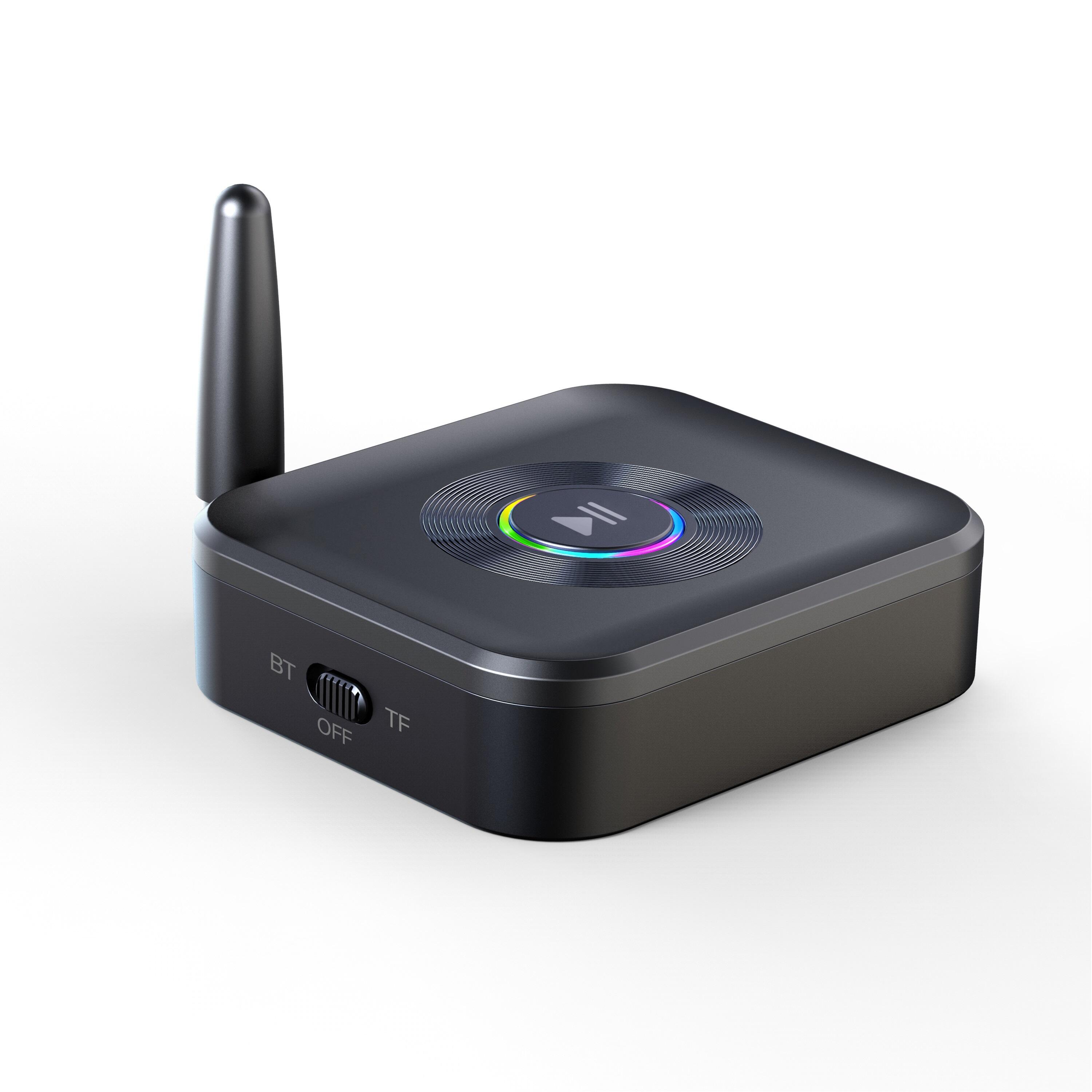
The introduction of Bluetooth 5.0 specifications brought significant improvements to wireless audio transmission capabilities, particularly regarding latency reduction and connection stability. Enhanced Data Rate features enable faster information transfer between devices, directly contributing to reduced audio delay. These improvements stem from more efficient packet structures and optimized communication protocols designed specifically for time-sensitive applications.
Advanced connection management algorithms in Bluetooth 5.0-enabled transmitters implement intelligent channel selection and frequency hopping strategies. These systems continuously monitor wireless spectrum conditions and automatically select optimal transmission channels to minimize interference and maximize data throughput. The result is more consistent low-latency performance across various operating environments.
Power efficiency improvements in Bluetooth 5.0 specifications also contribute to enhanced audio performance through reduced processing overhead. Lower power consumption requirements enable more computational resources to be dedicated to audio processing tasks, ultimately contributing to reduced latency and improved overall system performance.
Professional applications often require simultaneous connections to multiple audio devices, presenting unique challenges for latency management. Advanced Bluetooth transmitters address these requirements through sophisticated connection multiplexing technologies that maintain low-latency performance across multiple simultaneous audio streams. These systems utilize time-division multiplexing and intelligent bandwidth allocation to ensure consistent performance.
Priority-based connection management enables critical audio streams to receive preferential treatment during transmission, ensuring that time-sensitive applications maintain optimal latency performance. These systems can dynamically adjust resource allocation based on application requirements and current system loading conditions. Professional audio installations benefit significantly from these advanced connection management capabilities.
Synchronization protocols for multi-device configurations ensure that audio streams remain properly aligned across multiple output devices. This capability proves essential in professional audio applications where precise timing relationships must be maintained. Advanced Bluetooth transmitters implement hardware-level synchronization mechanisms that maintain sub-millisecond accuracy across connected devices.
Gaming applications represent one of the most demanding use cases for low-latency wireless audio transmission. Modern gaming systems require audio-visual synchronization accuracy measured in single-digit milliseconds to maintain immersive experiences. Bluetooth transmitters designed for gaming applications incorporate specialized processing modes that prioritize latency reduction over other performance metrics.
Interactive media applications such as video conferencing and live streaming also benefit significantly from ultra-low latency audio transmission. These applications require bidirectional audio communication with minimal delay to maintain natural conversation flow. Advanced Bluetooth transmitters support full-duplex operation with optimized latency performance in both transmission and reception modes.
Professional gaming and esports applications have driven many innovations in low-latency wireless audio technology. Competitive gaming requirements have pushed manufacturers to develop specialized Bluetooth transmitters capable of sub-20 millisecond latency performance. These achievements demonstrate the potential for wireless audio systems to match or exceed traditional wired performance standards.
Professional audio production environments demand exceptional latency performance to maintain creative workflow efficiency. Bluetooth transmitters designed for studio applications incorporate specialized monitoring modes that provide real-time audio feedback with minimal delay. These systems often support multiple codec options, allowing audio engineers to select optimal settings for specific applications.
Broadcasting and live performance applications present unique challenges for wireless audio transmission systems. These environments require absolute reliability and consistent low-latency performance regardless of environmental conditions. Professional-grade Bluetooth transmitters address these requirements through redundant transmission systems and advanced error correction protocols.
Quality assurance protocols in professional audio applications ensure that Bluetooth transmitters maintain consistent performance standards throughout extended operation periods. These systems implement continuous self-monitoring and automatic calibration procedures that maintain optimal latency performance without manual intervention.
Professional audio applications typically require latency performance below 20 milliseconds for real-time monitoring and creative work. Gaming and interactive applications may demand even lower latency, often targeting sub-10 millisecond performance. The specific requirements depend on the application type and user sensitivity to audio delay.
Environmental factors such as electromagnetic interference, physical obstacles, and concurrent wireless device activity can impact latency performance. Advanced Bluetooth transmitters implement adaptive algorithms that automatically adjust transmission parameters to maintain optimal performance in challenging environments. Professional installations often require site surveys to optimize placement and configuration.
Modern Bluetooth transmitters support multiple simultaneous connections through advanced multiplexing technologies. When properly configured, these systems can maintain low-latency performance across multiple audio streams. However, the specific performance depends on the device capabilities and network conditions.
Codec selection significantly impacts overall latency performance, with specialized low-latency codecs like aptX LL providing substantial improvements over standard Bluetooth audio codecs. The choice between different codecs involves balancing latency requirements against audio quality and power consumption considerations. Professional applications often require codec flexibility to optimize performance for specific use cases.
Copyright © 2026 Shenzhen GXY Electronic Co.,LTD All Rights Reserved Privacy policy
 EN
EN
 Hot News