
The evolution of audio technology has brought us to a crossroads where traditional wired connections compete with innovative wireless solutions. A wireless audio transmitter represents a significant advancement in how we experience and share audio content across various devices and environments. This technology has fundamentally transformed the way we approach audio distribution, offering unprecedented flexibility and convenience that traditional wired systems simply cannot match.
One of the most compelling advantages of a wireless audio transmitter is the complete elimination of physical constraints imposed by cables. Users can move freely within the transmission range without worrying about cable length limitations or potential disconnections. This freedom is particularly valuable in professional environments where presenters need to move around during presentations, or in home entertainment systems where users want to enjoy audio content from different locations within their living space.
The wireless nature of these devices enables seamless audio streaming across rooms, allowing users to maintain consistent audio quality while performing various activities. Whether you are cooking in the kitchen while listening to music from the living room stereo or exercising in your home gym while connected to your main entertainment system, a wireless audio transmitter provides unparalleled mobility that wired connections cannot offer.
Traditional wired audio systems often create cluttered environments with tangled cables that require constant organization and maintenance. A wireless audio transmitter completely eliminates these cable management challenges, creating cleaner, more organized spaces. This advantage extends beyond mere aesthetics, as reduced cable clutter also minimizes tripping hazards and reduces wear and tear on both cables and connected devices.
The absence of physical cables also means fewer points of potential failure in your audio system. Wired connections are susceptible to damage from bending, pulling, or environmental factors, while wireless solutions maintain their integrity regardless of physical handling. This reliability factor makes wireless audio transmitters particularly attractive for long-term installations and professional applications where consistent performance is crucial.
Modern wireless audio transmitter technology offers remarkably simple connection processes that far exceed the convenience of traditional wired setups. Most contemporary devices feature one-touch pairing capabilities and automatic device recognition, eliminating the need for complex setup procedures or technical expertise. Users can establish audio connections within seconds, making the technology accessible to individuals of all technical skill levels.
The convenience factor extends to multi-device connectivity, where a single wireless audio transmitter can maintain connections with multiple receiving devices simultaneously. This capability allows users to switch between different audio outputs or even broadcast to multiple speakers throughout their environment without any physical reconfiguration or cable swapping.
Wireless audio transmitter devices typically support a wide range of audio codecs and protocols, ensuring compatibility with virtually any audio source or receiving device. This universal compatibility eliminates the frustration of mismatched connectors, incompatible formats, or the need for multiple adapter cables that plague traditional wired systems.
The standardization of wireless protocols like Bluetooth, Wi-Fi, and specialized audio streaming standards means that users can connect diverse devices from different manufacturers without compatibility concerns. This flexibility is particularly valuable in mixed-device environments where smartphones, tablets, computers, and traditional audio equipment need to work together seamlessly.
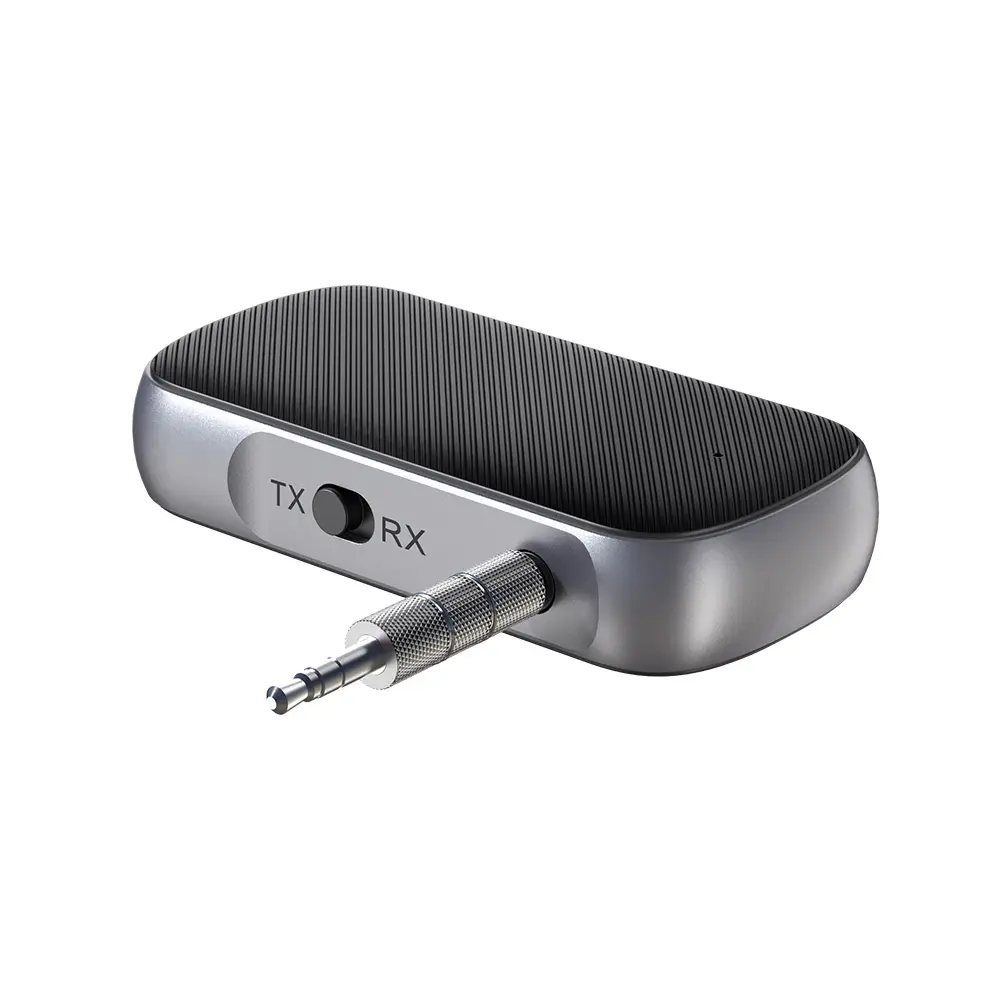
Contemporary wireless audio transmitter technology has evolved to deliver audio quality that rivals or even exceeds traditional wired connections. Advanced codecs like aptX, LDAC, and proprietary high-resolution audio protocols ensure that wireless transmission maintains the full dynamic range and frequency response of the original audio source.
Unlike early wireless audio solutions that suffered from compression artifacts and limited frequency response, modern wireless audio transmitter devices employ sophisticated digital signal processing and error correction algorithms. These technologies preserve audio fidelity while providing the convenience of wireless connectivity, making them suitable for critical listening applications and professional audio environments.
Modern wireless audio transmitter systems incorporate advanced frequency management and adaptive signal processing that minimizes interference from other wireless devices. These systems can automatically select optimal transmission frequencies and adjust power levels to maintain consistent audio quality even in environments with significant electromagnetic interference.
The digital nature of wireless transmission also provides inherent advantages over analog wired connections, which are susceptible to electromagnetic interference, ground loops, and signal degradation over long cable runs. A wireless audio transmitter maintains consistent signal quality regardless of distance within its operating range, providing more reliable performance than many wired alternatives.
Installing a wireless audio transmitter system requires significantly less time, effort, and expense compared to running cables through walls, floors, or ceilings. This advantage is particularly pronounced in existing buildings where retrofitting wired audio systems may require extensive construction work, painting, and potential structural modifications.
The elimination of cable installation also reduces the need for specialized tools, professional installation services, and permits that may be required for in-wall wiring. Users can deploy wireless audio transmitter solutions immediately without any preparation time or additional infrastructure investments, making them ideal for temporary installations or rental properties.
Wireless audio transmitter systems offer significant long-term cost advantages through reduced maintenance requirements and easier upgrade paths. Unlike wired systems that may require cable replacement or rewiring for capacity upgrades, wireless solutions can often be enhanced through firmware updates or simple device replacements without any infrastructure changes.
The modular nature of wireless audio transmitter technology also means that individual components can be upgraded or replaced independently, extending the overall system lifespan and protecting the initial investment. This flexibility is particularly valuable in rapidly evolving technology environments where new features and capabilities are regularly introduced.
In professional settings, a wireless audio transmitter provides crucial advantages for presentations, conferences, and collaborative work environments. The technology enables seamless audio sharing without the logistical challenges of cable management or the limitations imposed by fixed connection points. Presenters can move freely throughout meeting spaces while maintaining consistent audio quality for all participants.
The scalability of wireless audio transmitter systems makes them particularly attractive for businesses that need to adapt their audio capabilities based on changing requirements. Whether expanding to new locations, reconfiguring office layouts, or accommodating varying group sizes, wireless solutions provide the flexibility that wired systems cannot match.
The hospitality industry has embraced wireless audio transmitter technology for its ability to provide personalized audio experiences without infrastructure limitations. Hotels, restaurants, and entertainment venues can deploy wireless audio solutions quickly and efficiently, adapting to different event requirements or seasonal changes without permanent installations.
These applications benefit from the wireless audio transmitter's ability to serve multiple users simultaneously while maintaining individual control over volume levels and content selection. This capability enhances customer experience while reducing the complexity and cost of traditional wired audio distribution systems.
Modern wireless audio transmitter devices deliver audio quality that is virtually indistinguishable from wired connections and often superior to analog wired systems. Advanced codecs like aptX HD and LDAC support high-resolution audio transmission, while digital processing eliminates the interference and signal degradation common in analog wired systems. The key is selecting a wireless audio transmitter that supports appropriate codecs for your specific audio quality requirements.
Most consumer-grade wireless audio transmitter devices provide reliable transmission ranges between 30 to 100 feet, depending on environmental factors and specific technology used. Professional-grade systems can extend this range significantly while maintaining consistent audio quality. Modern wireless protocols include robust error correction and adaptive transmission features that maintain reliable connections even in challenging wireless environments.
Yes, wireless audio transmitter devices are specifically designed to add wireless capabilities to existing audio equipment. Most units include standard audio inputs like 3.5mm auxiliary, RCA, and optical connections that are compatible with virtually any audio source. This compatibility makes it easy to upgrade older stereo systems, televisions, and professional audio equipment with wireless functionality without replacing existing hardware.
Advanced wireless audio transmitter systems incorporate low-latency codecs like aptX Low Latency that reduce audio delay to imperceptible levels for video applications. While basic wireless protocols may introduce slight delays, modern wireless audio transmitter technology has largely eliminated latency issues that could affect video synchronization. For critical applications, selecting devices that specifically support low-latency transmission ensures optimal performance for video content.
Copyright © 2026 Shenzhen GXY Electronic Co.,LTD All Rights Reserved Privacy policy
 EN
EN
 Hot News