
Modern vehicles have become mobile offices and entertainment hubs, making reliable power solutions essential for today's connected lifestyle. Fast charging car chargers have revolutionized how we maintain our devices during travel, but managing heat generation remains a critical challenge. Understanding thermal protection mechanisms in these charging systems ensures both device safety and optimal performance throughout extended journeys.
The automotive charging industry has witnessed remarkable advancement in thermal management technologies. Contemporary fast charging car chargers incorporate sophisticated protection systems that monitor temperature fluctuations and adjust power delivery accordingly. These intelligent systems prevent overheating while maintaining charging efficiency, creating a balance between speed and safety that benefits both devices and vehicle electrical systems.
Contemporary fast charging car chargers utilize advanced semiconductor sensors that continuously monitor internal temperatures during operation. These sensors detect temperature variations within microseconds, enabling immediate response to thermal changes. The monitoring system tracks both ambient conditions and device-specific heat generation patterns, creating comprehensive thermal profiles for optimal charging management.
Temperature sensing technologies in modern chargers employ multiple detection points throughout the charging circuit. Primary sensors monitor the power conversion components, while secondary sensors track output connector temperatures and cable heat levels. This multi-point monitoring approach ensures comprehensive thermal oversight, preventing hotspots that could damage connected devices or compromise charging performance.
Real-time temperature data feeds into intelligent control algorithms that adjust charging parameters dynamically. When sensors detect elevated temperatures, the system automatically reduces power output to maintain safe operating conditions. This adaptive approach allows fast charging car chargers to maintain consistent performance while protecting against thermal damage throughout extended charging sessions.
Sophisticated power management circuits in modern chargers implement dynamic current adjustment based on thermal feedback. These systems reduce charging current when temperatures approach predetermined safety thresholds, maintaining device protection without completely halting the charging process. The gradual power reduction prevents thermal shock while extending overall charging capability during demanding conditions.
Advanced fast charging car chargers incorporate predictive thermal algorithms that anticipate temperature increases before they occur. By analyzing charging patterns, ambient conditions, and device characteristics, these systems proactively adjust power delivery to prevent overheating scenarios. This predictive approach maintains optimal charging speeds while ensuring consistent thermal protection throughout the charging cycle.
Variable voltage regulation represents another crucial aspect of thermal management in modern charging systems. When temperature sensors detect elevated heat levels, the charger automatically adjusts output voltage to reduce power dissipation. This voltage regulation works in conjunction with current limiting to provide comprehensive thermal protection while maintaining device compatibility across various smartphone and tablet models.
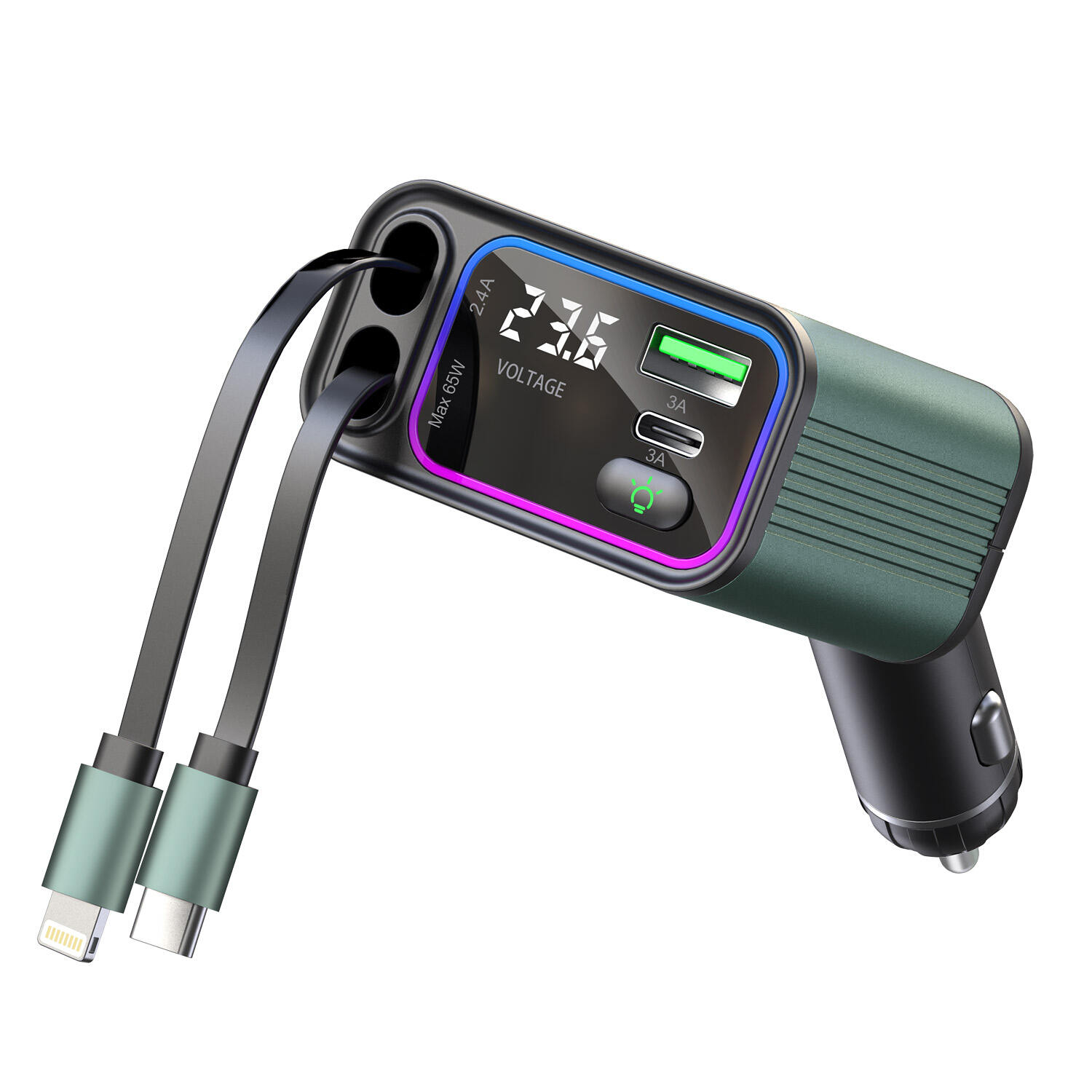
Modern fast charging car chargers incorporate specialized heat dissipation designs that maximize thermal transfer away from critical components. Aluminum heat sinks with increased surface area provide efficient thermal conductivity, while internal air circulation channels promote natural convection cooling. These architectural improvements ensure consistent temperature management even during high-power charging scenarios.
Strategic component placement within charger housings optimizes heat distribution and prevents thermal concentration. Power conversion components are positioned to maximize heat spreading, while temperature-sensitive circuits remain isolated from primary heat sources. This thoughtful internal layout ensures that fast charging car chargers maintain optimal operating temperatures throughout extended use periods.
Ventilation systems in premium chargers feature micro-perforations and airflow channels that enhance natural cooling. These design elements work passively to reduce internal temperatures without requiring active cooling components. The result is reliable thermal management that operates silently while maintaining the compact form factors essential for vehicle integration.
Advanced thermal interface materials improve heat transfer between internal components and external heat sinks. These specialized compounds feature high thermal conductivity while maintaining electrical isolation, ensuring efficient heat dissipation without compromising electrical safety. Modern fast charging car chargers benefit from these material innovations through improved thermal performance and enhanced reliability.
Thermally conductive plastics in charger housings provide additional heat dissipation while maintaining lightweight construction. These engineered materials combine the moldability of traditional plastics with enhanced thermal properties, allowing heat generated during charging to transfer through the housing for improved cooling. This material innovation enables compact designs without sacrificing thermal management capabilities.
Ceramic components in high-end chargers offer superior thermal stability and heat resistance compared to traditional materials. These advanced ceramics maintain consistent electrical properties across wide temperature ranges while providing excellent thermal conductivity. The integration of ceramic elements in fast charging car chargers ensures reliable operation under demanding thermal conditions.
Intelligent charging protocols analyze device characteristics and environmental conditions to optimize power delivery while preventing overheating. These algorithms communicate with connected devices to determine optimal charging parameters, adjusting voltage and current based on battery capacity, charge level, and thermal conditions. This adaptive approach ensures that fast charging car chargers deliver maximum performance while maintaining device safety.
Machine learning capabilities in advanced chargers enable continuous optimization of thermal protection strategies. These systems learn from charging patterns and environmental conditions to improve temperature prediction and power management over time. The result is increasingly sophisticated thermal protection that adapts to individual usage patterns and environmental challenges.
Multi-protocol support ensures compatibility across various device types while maintaining consistent thermal protection. Modern fast charging car chargers automatically detect device requirements and adjust charging parameters accordingly, preventing overheating regardless of the connected device type. This universal compatibility ensures reliable thermal protection across diverse mobile device ecosystems.
Critical safety systems in modern chargers implement immediate power disconnection when temperatures exceed safe operating limits. These emergency shutoff mechanisms activate within milliseconds of detecting dangerous thermal conditions, preventing potential damage to connected devices or vehicle electrical systems. The rapid response ensures comprehensive protection even under extreme thermal stress conditions.
Redundant temperature monitoring provides additional safety layers through independent sensor systems. Multiple temperature detection circuits operate simultaneously, ensuring that thermal protection remains active even if primary sensors malfunction. This redundancy approach guarantees reliable safety performance throughout the operational life of fast charging car chargers.
Automatic recovery protocols enable chargers to resume operation once temperatures return to safe levels. These systems monitor cooling progress and gradually restore power delivery as thermal conditions improve. This intelligent recovery ensures that charging can continue safely without requiring manual intervention, maintaining user convenience while prioritizing safety.
Advanced fast charging car chargers incorporate ambient temperature compensation to maintain optimal performance across varying climate conditions. These systems adjust charging parameters based on environmental temperature readings, ensuring consistent thermal protection regardless of seasonal variations or geographic location. Winter conditions receive higher power allowances, while summer operations implement more conservative thermal limits.
Humidity sensors in premium chargers detect moisture levels that could affect thermal management performance. High humidity conditions can impact heat dissipation efficiency, prompting automatic adjustments to prevent overheating. This environmental awareness ensures reliable thermal protection across diverse climate conditions encountered during travel.
Altitude compensation features account for reduced air density at elevated locations, which can impact cooling efficiency. Fast charging car chargers with altitude awareness automatically adjust thermal limits to maintain safe operating temperatures in mountainous regions. This environmental adaptation ensures consistent protection regardless of elevation changes during extended road trips.
Modern chargers consider vehicle cabin temperatures when managing thermal protection systems. Integration with vehicle climate control data allows chargers to anticipate thermal challenges and adjust power delivery accordingly. This vehicle-aware approach ensures optimal charging performance while maintaining comprehensive thermal protection in various cabin environments.
Engine heat management represents a crucial consideration for fast charging car chargers installed near engine compartments. Advanced thermal isolation and heat shielding protect charging systems from engine-generated heat, while internal temperature monitoring ensures safe operation even in high-temperature vehicle environments. This comprehensive thermal management maintains charging reliability regardless of vehicle operating conditions.
Parking condition detection enables chargers to adjust thermal parameters based on vehicle status. Parked vehicles in direct sunlight face different thermal challenges compared to moving vehicles with active cooling. Smart fast charging car chargers recognize these conditions and modify protection protocols accordingly, ensuring optimal thermal management across all operating scenarios.
Next-generation fast charging car chargers will incorporate micro-cooling systems that actively manage temperatures through miniaturized thermal electric cooling elements. These advanced systems will provide precise temperature control while maintaining compact form factors suitable for automotive applications. The integration of active cooling represents a significant advancement in thermal management capabilities for mobile charging solutions.
Liquid cooling systems designed specifically for automotive chargers promise superior thermal management compared to current air-cooling approaches. These closed-loop systems will circulate coolant through heat-generating components, providing consistent temperature control regardless of ambient conditions. Liquid cooling integration will enable higher power delivery while maintaining strict thermal protection standards.
Phase-change materials represent an innovative approach to thermal management in future charging systems. These materials absorb excess heat during charging peaks and release stored thermal energy during cooler periods, providing natural temperature regulation. The incorporation of phase-change materials in fast charging car chargers will enable more efficient thermal management without requiring active cooling systems.
Machine learning algorithms will revolutionize thermal management by predicting overheating scenarios before they develop. These intelligent systems will analyze historical charging data, environmental patterns, and device characteristics to optimize thermal protection strategies proactively. AI-powered thermal management will enable fast charging car chargers to deliver maximum performance while maintaining unprecedented safety levels.
Predictive maintenance capabilities will monitor thermal system performance and alert users to potential issues before they impact charging safety. These systems will track thermal sensor accuracy, cooling system efficiency, and overall thermal management performance over time. Predictive monitoring will ensure consistent thermal protection throughout the operational life of charging systems.
Cloud connectivity will enable charging systems to access real-time environmental data and traffic information to optimize thermal management strategies. Connected fast charging car chargers will adjust protection protocols based on predicted travel conditions, ambient temperature forecasts, and traffic patterns that could impact charging duration and thermal stress levels.
Modern fast charging car chargers employ multiple temperature sensors positioned throughout the charging circuit to monitor thermal conditions continuously. These sensors detect temperature changes within microseconds and communicate with intelligent control systems that automatically adjust power delivery when elevated temperatures are detected. Advanced chargers also monitor ambient conditions and device-specific thermal characteristics to provide comprehensive overheating protection.
When thermal sensors detect dangerous temperature levels, fast charging car chargers immediately implement protective measures including power reduction, voltage regulation, and in extreme cases, complete charging suspension. These systems typically reduce charging current gradually to prevent thermal shock while maintaining some charging capability. Emergency shutoff mechanisms activate within milliseconds for critical temperature conditions, ensuring complete protection for connected devices.
Yes, environmental factors significantly impact thermal management performance in fast charging car chargers. Advanced systems incorporate ambient temperature compensation, humidity detection, and even altitude awareness to adjust protection protocols accordingly. Summer heat requires more conservative thermal limits, while winter conditions may allow higher power delivery. Premium chargers also consider vehicle cabin temperatures and parking conditions to optimize thermal protection strategies.
While basic thermal protection is standard in quality fast charging car chargers, the sophistication of protection systems varies significantly between models. Premium chargers feature advanced temperature monitoring, predictive algorithms, and dynamic power adjustment, while budget models may only include basic thermal shutoff mechanisms. It's essential to choose chargers from reputable manufacturers that prioritize comprehensive thermal protection to ensure device safety and optimal charging performance.
Copyright © 2026 Shenzhen GXY Electronic Co.,LTD All Rights Reserved Privacy policy
 EN
EN

 Hot News