
Selecting the right safe fast charging car charger is crucial for maintaining your devices' battery health while ensuring reliable power delivery during travel. With the proliferation of mobile devices and the increasing demand for quick charging solutions, choosing a quality car charger has become more important than ever. Modern vehicles serve as mobile offices and entertainment centers, making a dependable charging solution essential for productivity and safety. The market offers numerous options, but not all car chargers are created equal when it comes to safety, efficiency, and longevity.
When evaluating car chargers, look for devices that carry recognized safety certifications such as CE, FCC, and RoHS compliance. These certifications indicate that the product has undergone rigorous testing to meet international safety standards. The CE marking ensures European conformity, while FCC certification guarantees compliance with electromagnetic interference regulations in the United States. RoHS compliance confirms that the device is free from hazardous substances like lead, mercury, and cadmium.
Additional certifications to consider include UL listing, which provides comprehensive safety testing for electrical components, and Energy Star ratings for energy efficiency. These certifications serve as your first line of defense against potentially dangerous products that could damage your devices or vehicle's electrical system. Manufacturers who invest in proper certification demonstrate their commitment to product safety and quality assurance.
Quality car chargers incorporate multiple protection mechanisms to safeguard both your devices and your vehicle. Over-current protection prevents excessive electrical flow that could damage sensitive electronics, while over-voltage protection shields against power surges. Temperature protection automatically reduces charging speed or shuts down the device when excessive heat is detected, preventing potential fire hazards or component damage.
Short-circuit protection is equally important, as it immediately cuts power flow when a fault is detected in the charging circuit. Smart charging technology adjusts power output based on the connected device's requirements, preventing overcharging and extending battery life. These protection features work together to create a comprehensive safety net that ensures reliable operation under various conditions.
Different devices require varying power levels for optimal charging performance. Smartphones typically need 15-30 watts for fast charging, while tablets may require 30-45 watts, and laptops can demand 60-100 watts or more. Understanding your devices' power requirements helps you select a car charger with appropriate output capacity. A safe fast charging car charger should provide sufficient wattage to meet your highest-powered device's needs while maintaining efficiency across all connected devices.
Consider your charging habits and typical device usage patterns when selecting wattage capacity. If you frequently charge multiple devices simultaneously, ensure the total output can accommodate all connected devices without compromising charging speed. Higher wattage doesn't always mean better performance if your devices can't utilize the additional power, so match the charger's capabilities to your actual needs.
Modern fast charging protocols like Qualcomm Quick Charge and USB Power Delivery have revolutionized mobile device charging speeds. Quick Charge technology intelligently negotiates optimal voltage and current levels with compatible devices, significantly reducing charging times compared to standard 5V charging. USB Power Delivery offers even greater flexibility, supporting bidirectional power flow and higher wattage levels up to 100 watts.
Compatibility with these protocols ensures your car charger can take full advantage of your devices' fast charging capabilities. Look for chargers that support multiple protocols to maintain compatibility across different device brands and generations. Backward compatibility is also essential, ensuring older devices can still charge safely at appropriate speeds even if they don't support the latest fast charging standards.
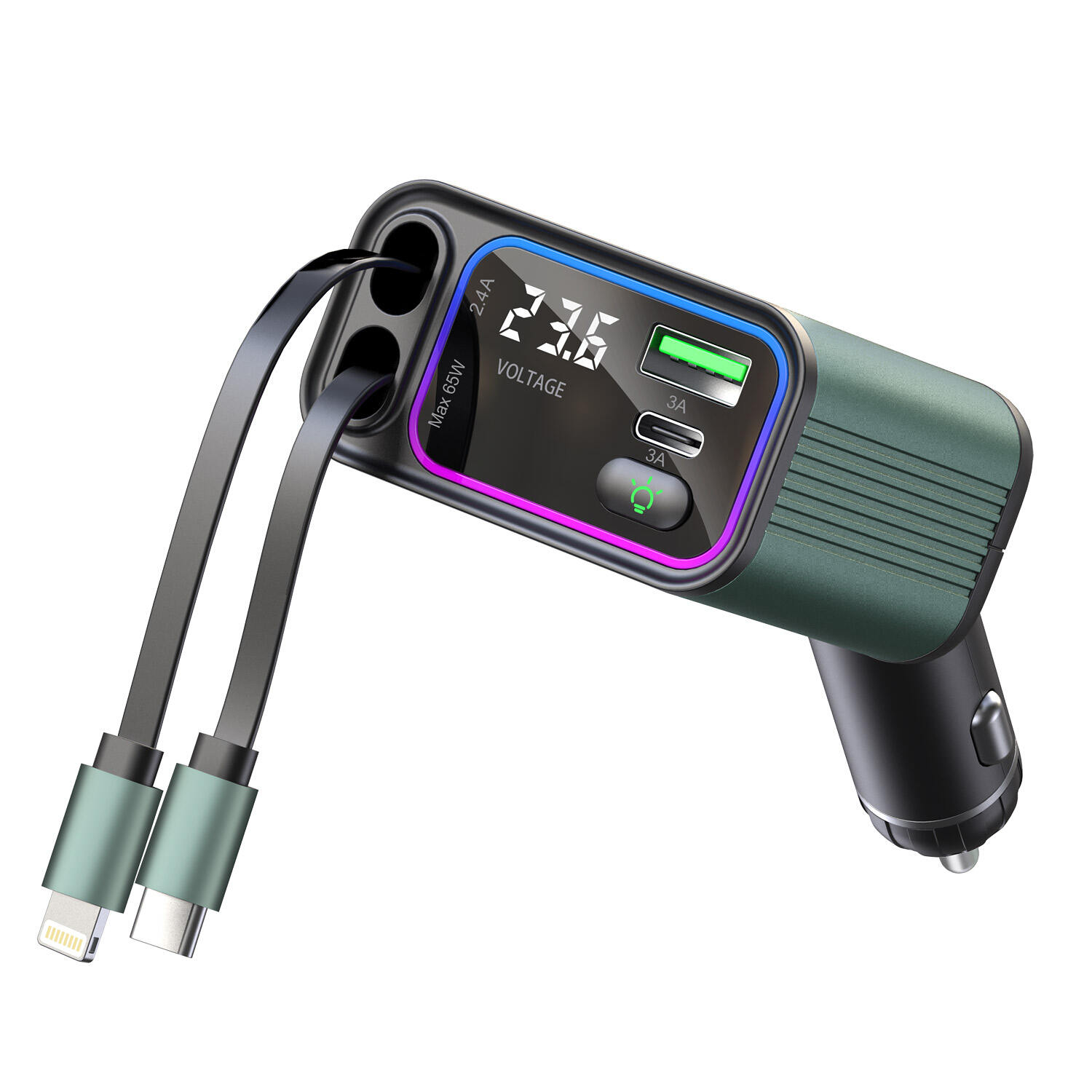
The physical construction of a car charger directly impacts its longevity and safety performance. High-quality materials like flame-retardant plastics and metal housing components provide better heat dissipation and durability compared to cheap plastic alternatives. Robust construction helps the charger withstand the vibrations, temperature fluctuations, and mechanical stress common in automotive environments.
Pay attention to the connector quality, as loose or poorly designed plugs can create electrical resistance, leading to heat generation and potential safety hazards. Premium connectors feature gold-plated contacts that resist corrosion and maintain reliable electrical connections over time. The overall design should feel substantial without being bulky, striking a balance between durability and convenience.
Effective heat management is critical for safe operation and long-term reliability. Quality car chargers incorporate heat sinks, thermal pads, and ventilation designs to dissipate heat efficiently during operation. Excessive heat can degrade internal components, reduce charging efficiency, and potentially create safety hazards. Look for chargers with visible heat management features like ventilation slots or metal heat dissipation elements.
Temperature monitoring capabilities add another layer of protection by automatically adjusting performance based on operating conditions. Some advanced chargers display temperature information or provide thermal warnings to alert users of potential issues. Proper heat management ensures consistent performance even during extended use in hot climates or high-demand charging scenarios.
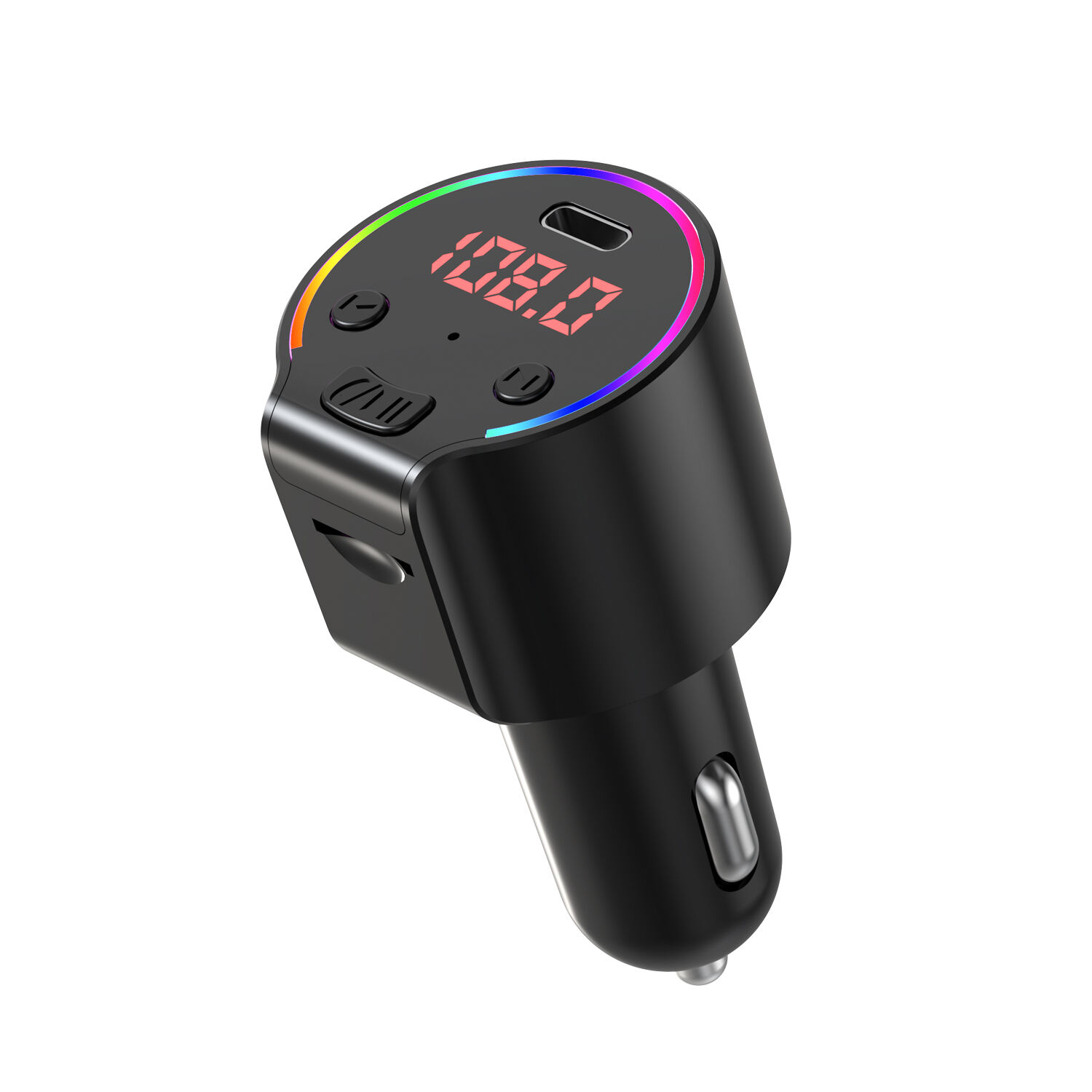
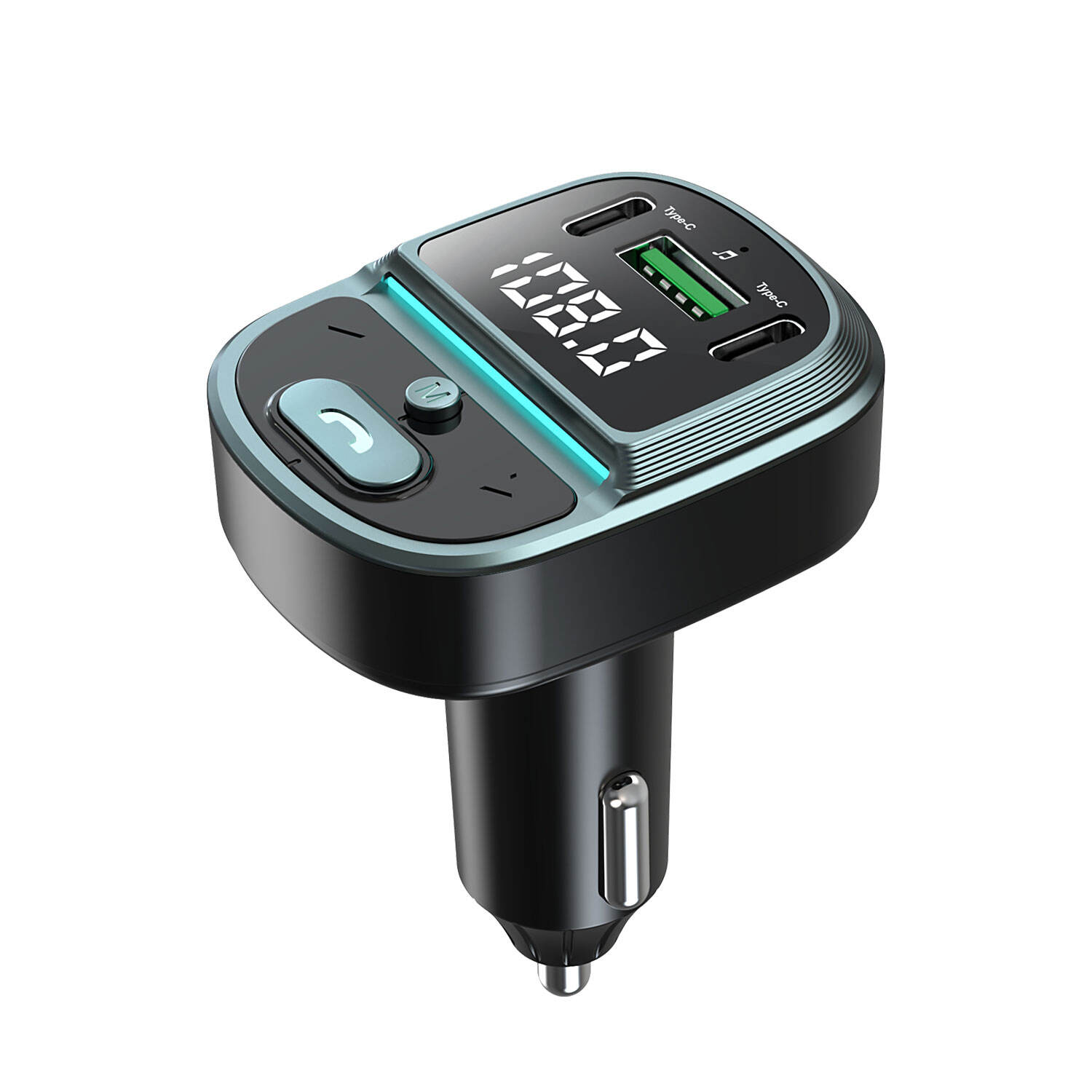
Modern car chargers offer various port configurations to accommodate different device types and charging needs. USB-A ports provide universal compatibility with older devices and cables, while USB-C ports support the latest fast charging protocols and reversible connectivity. Some chargers include wireless charging pads for compatible smartphones, eliminating the need for cables altogether.
Consider the number and types of ports based on your typical passenger load and device requirements. Multi-port chargers enable simultaneous charging of multiple devices, making them ideal for families or business travelers. Ensure the port layout allows easy access and doesn't interfere with other vehicle controls or passenger comfort.
Integrated cable management features enhance user experience and maintain vehicle organization. Some chargers include retractable cables, cable storage compartments, or mounting solutions that keep charging cables organized and accessible. Built-in cables eliminate the need to carry separate charging cables but may limit compatibility with future devices or cable standards.
Consider the cable length and routing options for your specific vehicle layout. Longer cables provide greater flexibility for rear-seat passengers, while shorter cables reduce clutter in the front console area. Detachable cable designs offer the best of both worlds, providing flexibility while maintaining organization and compatibility options.
Car chargers draw power from various sources within your vehicle's electrical system. Traditional cigarette lighter sockets provide 12V power and are universally available, making them the most common connection method. Some high-power chargers require direct battery connection or hardwired installation to access the full electrical capacity needed for fast charging multiple devices simultaneously.
Verify your vehicle's electrical capacity before selecting a high-wattage charger, as older vehicles may have limited alternator output or fuse ratings that restrict available power. Modern vehicles typically handle higher power demands better, but it's essential to check your owner's manual for specific electrical limitations and recommendations.
The physical dimensions and mounting requirements of your chosen charger must match your vehicle's interior layout and available space. Compact designs work well in vehicles with limited console space, while larger chargers with multiple ports may require more room but offer greater functionality. Consider how the charger's placement affects accessibility for drivers and passengers.
Some chargers include mounting brackets, adhesive strips, or magnetic attachments for secure installation in custom locations. Professional installation may be necessary for hardwired chargers or complex mounting systems. Ensure any installation method doesn't interfere with airbag deployment zones or other safety systems within your vehicle.
While premium car chargers command higher prices, they often provide superior safety features, build quality, and performance that justify the investment. Budget options may seem attractive initially but can lead to device damage, poor charging performance, or safety hazards that ultimately cost more than investing in quality equipment upfront. Evaluate the total cost of ownership, including potential device replacement costs and safety risks.
Consider the warranty coverage and manufacturer support when comparing prices, as reputable brands typically offer comprehensive protection and customer service. Extended warranties and replacement guarantees provide additional value and peace of mind, especially for expensive high-wattage chargers that represent significant investments.
Investing in a charger with advanced features and protocol support helps ensure compatibility with future device upgrades and technology developments. USB-C Power Delivery support, for example, provides compatibility with an increasing range of devices and charging speeds. Modular designs that allow firmware updates or accessory additions extend the useful life of your investment.
Consider your anticipated device upgrade cycle and charging needs over the next several years when making your selection. A slightly more expensive charger with better future compatibility may provide better long-term value than a cheaper option that becomes obsolete quickly. Quality construction also ensures reliable operation throughout its intended lifespan, reducing replacement frequency and overall costs.
Look for safety certifications like CE, FCC, and UL listing on the product packaging or specifications. Check that the charger includes protection features such as over-current, over-voltage, and temperature protection. Verify that the power output matches your device requirements and that the charger supports appropriate charging protocols for your specific devices. Reputable manufacturers provide detailed specifications and safety information that demonstrate their commitment to product quality.
The required wattage depends on your devices and charging needs. Most smartphones need 15-30 watts for fast charging, tablets require 30-45 watts, and laptops may need 60-100 watts or more. If you charge multiple devices simultaneously, add their individual requirements to determine total wattage needs. Choose a charger with slightly higher capacity than your calculated needs to ensure optimal performance and accommodate future device upgrades.
Quality car chargers with proper protection features and appropriate power ratings should not damage your vehicle's electrical system. However, cheap or poorly designed chargers without adequate protection can potentially cause problems. Always use chargers that match your vehicle's electrical specifications and avoid exceeding the recommended power limits for your cigarette lighter or accessory sockets. Professional installation is recommended for high-power hardwired chargers.
Modern universal car chargers support multiple charging protocols and device types, eliminating the need for brand-specific chargers in most cases. USB-C Power Delivery and Qualcomm Quick Charge protocols work across many device brands, while USB-A ports provide universal compatibility. However, some proprietary fast charging systems may require specific chargers for optimal performance, so check your device manufacturer's recommendations for the best charging experience.
Copyright © 2026 Shenzhen GXY Electronic Co.,LTD All Rights Reserved Privacy policy
 EN
EN

 Hot News